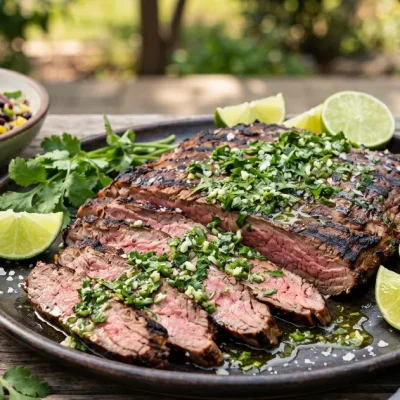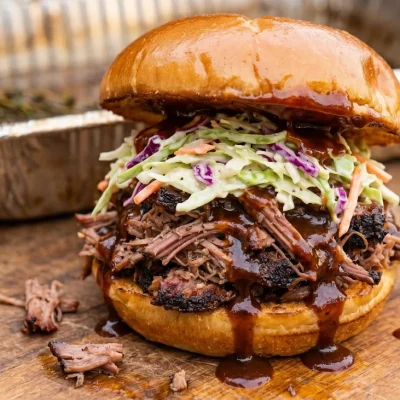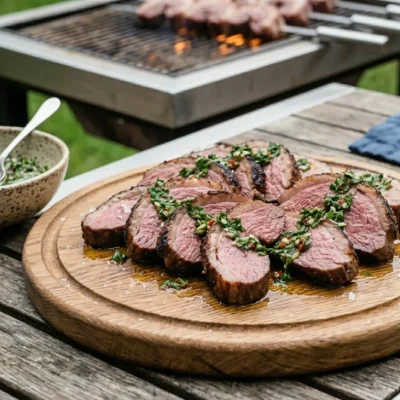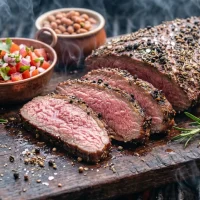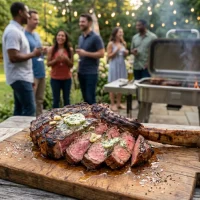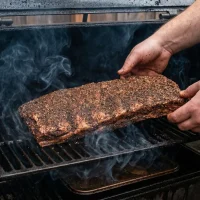
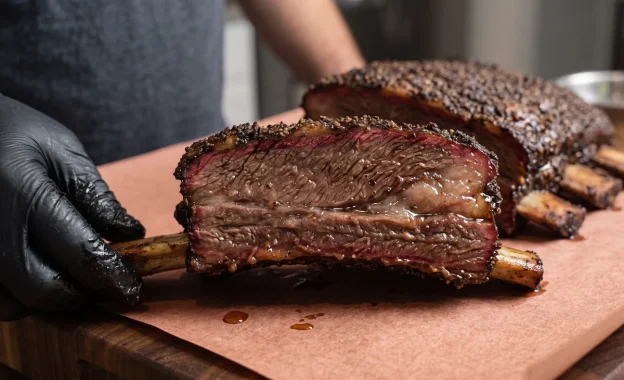
A massive, Flintstone-style cut of meat encased in a peppery, mahogany crust that gives way to incredibly juicy, pull-apart tender beef. That is the magic of Smoked Beef Short Ribs, affectionately known in the barbecue world as “Dino Ribs.” If you are looking for a weekend project to impress your guests and feel like a backyard pitmaster, this is the cut to conquer.
Unlike pork ribs, beef ribs are incredibly forgiving. Thanks to their massive amount of rich marbling and collagen, the connective tissue renders down like liquid butter during a low and slow cook. You get the luxurious, melt-in-your-mouth texture of a perfectly smoked brisket, but with far less trimming stress and a much more predictable timeline.
Whether you are a seasoned smoker or tackling your first serious chunk of beef, this smoked dino ribs recipe delivers that authentic, deeply savory Texas style BBQ ribs experience right in your own backyard.
Key Info
- Difficulty: Medium
- Total Time: 9 hours (Includes resting time)
- Active Time: 30 minutes
Nutrition Information (per serving)
- Calories: 950 kcal
- Protein: 55 g
- Fat: 80 g
- Carbohydrates: 2 g
- Sodium: ~1100 mg
Why You’ll Love This Recipe
- Brisket on a Stick: You get the legendary flavor profile and tenderness of brisket, but in a fraction of the time and without the anxiety of managing a massive 15-pound packer.
- Incredibly Forgiving: The intense marbling in beef plate ribs means it is very difficult to dry them out. They baste themselves from the inside out.
- Minimal Prep Work: Forget complex marinades or multi-day brines. A simple trim and a classic salt-and-pepper rub are all you need to let the beef shine.
- The Ultimate Showstopper: Bringing a tray of massive, black-barked, bone-in dino ribs to the table guarantees a chorus of “wows” from your guests.
Required Equipment
- Smoker: Pellet, offset, or Kamado style—any smoker that can hold a steady 250°F (120°C) to 275°F (135°C).
- Instant-Read Meat Thermometer: Crucial for checking the internal temperature and the tenderness of the meat.
- Food-Safe Spritz Bottle: For keeping the edges moist during the cook.
- Unwaxed Peach Butcher Paper: For wrapping the ribs to preserve the bark while powering through the final stages of cooking (heavy-duty aluminum foil works in a pinch).
- Sharp Boning or Trimming Knife: To remove the silver skin and fat cap.
Ingredients
The Meat & Binder
- 1 rack Beef Plate Short Ribs: Look for a 3-bone rack weighing around 5–6 lbs. (Tip: Ask your butcher specifically for “plate short ribs” (NAMP 123A), not chuck ribs, for the thickest meat.)
- 2 tbsp Yellow Mustard: Used strictly as a binder to hold the rub. It will not taste like mustard after smoking. (Olive oil or hot sauce also work well).
The Texas-Style Rub
- ¼ cup Coarse Black Pepper: 16-mesh black pepper is the gold standard for building a thick, crunchy bark.
- ¼ cup Kosher Salt: Diamond Crystal or Morton’s.
- 1 tbsp Garlic Powder: For an extra savory kick.
The Spritz
- ½ cup Apple Cider Vinegar
- ½ cup Water or Beef Broth
Step-by-Step Instructions
Step 1: Prep and Trim
- Rinse and dry the ribs thoroughly with paper towels.
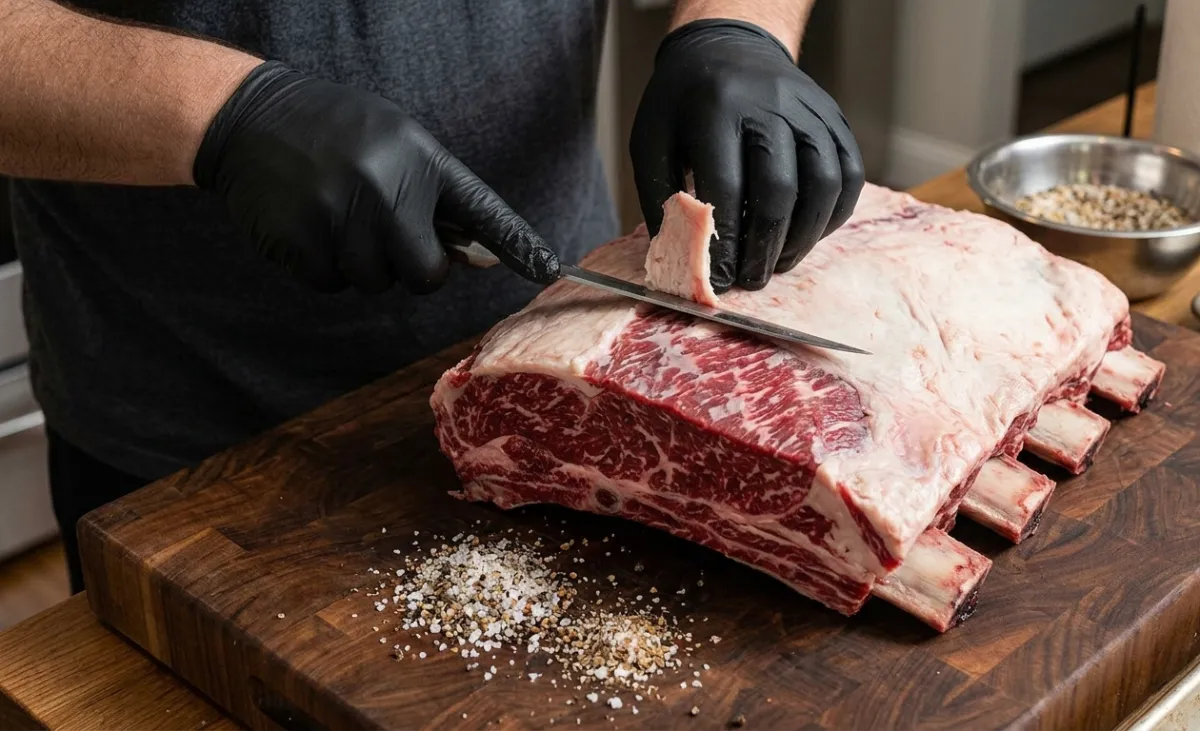
- Trim the top fat cap down to the silver skin. Unlike brisket, beef ribs have so much internal fat that leaving a thick cap on top will just prevent your rub from penetrating the meat. Remove any thick, hard pieces of fat.
- Leave the membrane on the bone side. Unlike pork ribs, removing the tough membrane on the back of beef ribs can cause the meat to completely fall off the bone during the long smoke.
Step 2: The Binder and Rub
- Mix your rub. In a shaker, combine the coarse black pepper, kosher salt, and garlic powder.
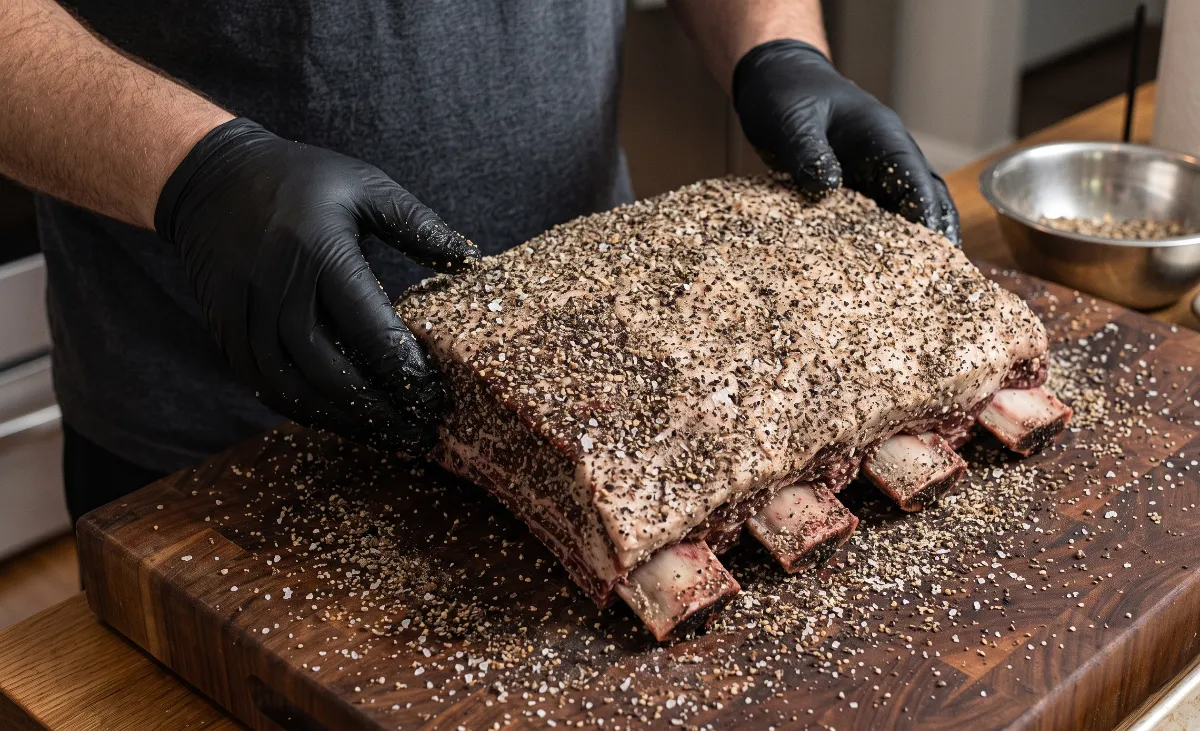
- Apply the binder. Slather a thin, even layer of yellow mustard all over the top and sides of the meat.
- Season aggressively. Sprinkle the rub evenly from an elevated height (about 12 inches above the meat) to ensure an even coat. Pat the rub in gently—do not rub it. Let the ribs sit at room temperature for 30–45 minutes while you fire up the smoker.
Step 3: The Smoke
- Preheat your smoker to 275°F (135°C). Oak, hickory, or pecan wood work beautifully for beef.
- Place the ribs on the grates bone-side down.
- Smoke undisturbed for the first 3 hours. This is crucial for setting the bark so it doesn’t wash off later.
Step 4: The Spritz and Wrap
- Check the bark at the 3-hour mark. If it is set (meaning the rub doesn’t come off when you gently tap it with a finger), begin spritzing the edges with your apple cider vinegar mixture every 45 minutes to prevent them from drying out.
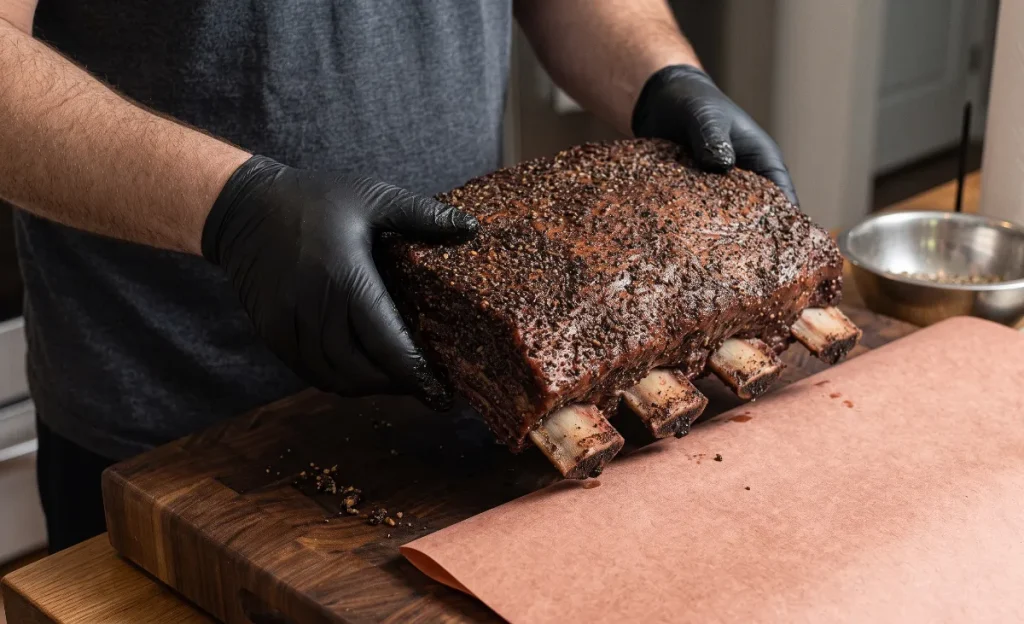
- Wrap the ribs when the internal temperature reaches around 170°F (75°C) to 180°F (82°C) and the bark has a deep mahogany color. Place the rack meat-side down on two overlapping sheets of butcher paper, wrap tightly, and return to the smoker bone-side down.
Step 5: The Finish and Rest
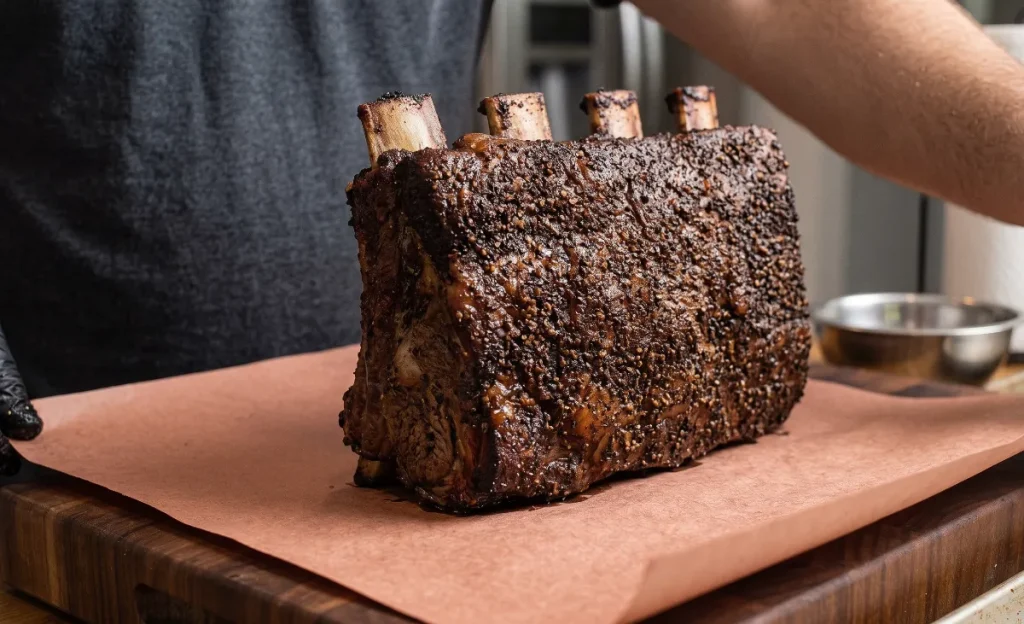
- Probe for tenderness after another 2–3 hours. The ribs are done when your instant-read thermometer slides into the thickest part of the meat with zero resistance—like a hot knife through room-temperature butter. This usually happens between 203°F and 208°F (95°C–98°C).
- Rest the meat. This is the most important step. Remove the wrapped ribs from the smoker, place them in a dry cooler (without ice) or an unheated oven, and let them rest for at least 1 hour, ideally 2 hours.
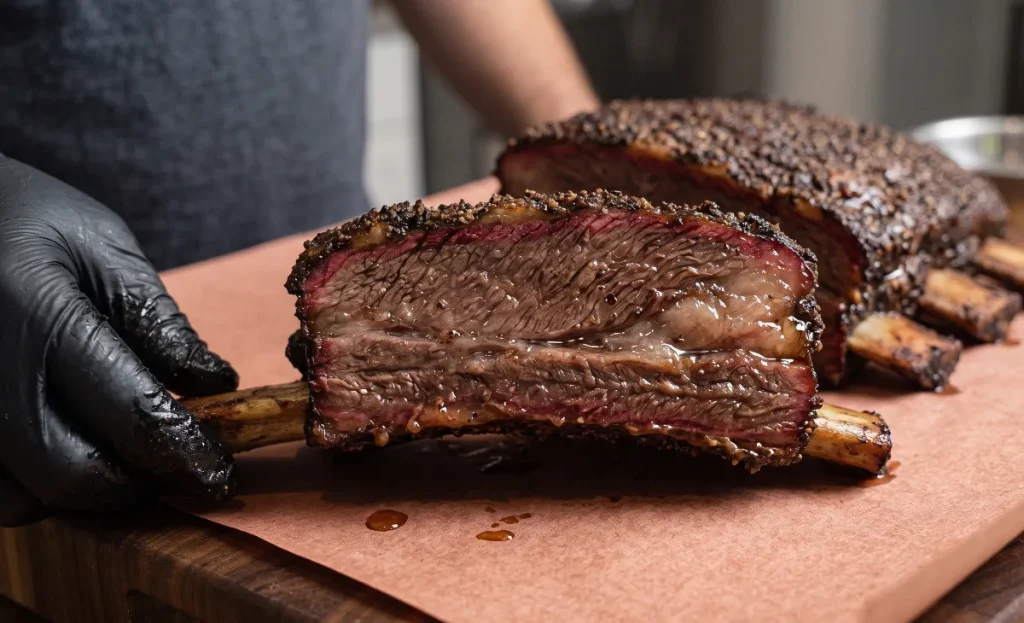
- Slice and serve. Unwrap the ribs, slice gently between the massive bones, and marvel at the smoke ring and juiciness.
Chef’s Tips
- Cook to feel, not just temperature: Every cow is different. While 203°F is a great benchmark, always trust your probe. If the meat still feels tight or rubbery, let it keep cooking.
- Do not rush the rest: Resting allows the violently boiling internal juices to calm down and redistribute. Cutting into the ribs immediately off the smoker will result in dry meat.
- Go heavy on the pepper: Beef ribs can handle an aggressive amount of seasoning. A heavy pepper rub is what creates that iconic, crunchy, meteor-like crust.
- Keep your smoke clean: You want thin, blue smoke coming from your stack, not thick, billowing white smoke, which can leave an acrid, bitter taste on the meat.
Variations & Adaptations
- The Coffee Rub: Swap the garlic powder for 2 tablespoons of finely ground espresso. The coffee adds an incredible earthy bitterness that pairs perfectly with the rich beef fat.
- Tallow Injection/Wrap: For an over-the-top rich experience, brush the butcher paper with melted smoked beef tallow right before wrapping the ribs.
- Spicy Texas Heat: Add 1 tablespoon of chipotle powder or cayenne pepper to your base rub if you want a subtle, creeping heat to cut through the richness.
Serving & Storage
Serving: These ribs are incredibly rich, so pair them with acidic or fresh sides to cut the fat. Pickled red onions, bread and butter pickles, a sharp vinegar-based coleslaw, and classic Texas-style pinto beans are perfect companions.
Storage: Store leftovers in an airtight container in the fridge for up to 4 days. To reheat, wrap the meat tightly in foil with a splash of beef broth or water, and warm in a 275°F (135°C) oven until heated through. The meat is also phenomenal chopped up and tossed into breakfast tacos, chili, or baked beans.
FAQ
What is the difference between plate ribs and chuck ribs?
Plate short ribs (NAMP 123A) come from the lower belly and usually feature 3 massive, straight bones with a very thick layer of well-marbled meat. Chuck ribs come from closer to the shoulder, usually have 4 smaller bones, and are slightly less meaty, though still delicious. Plate ribs are the true “Dino Ribs.”
Do I absolutely have to wrap the ribs?
No, you can cook them “no-wrap” all the way through! Wrapping simply speeds up the final stage of the cook (pushing through the stall) and helps retain extra moisture. If you prefer a super crunchy bark, leave them unwrapped, but be prepared to add 1–2 hours to your cook time.
What kind of wood is best for smoked beef ribs?
Post oak is the traditional choice for Texas BBQ and pairs perfectly with beef. Hickory is another excellent, robust choice. If you want a slightly sweeter, milder smoke, pecan or cherry wood are fantastic alternatives.
Ready to fire up the smoker?
Grab a rack of plate ribs, mix up that simple rub, and let the smoke do the heavy lifting. Don’t forget to take a picture of your colossal dino ribs and share your masterpiece in the comments below or tag us at Brickhouse Grille!